AI Book Trailer Maker: Turn Any Manuscript Into a 60-Second Trailer
A complete 5-step workflow for making a 60-second book trailer with AI, plus six genre formulas you can paste straight into the editor — mystery, romance, thriller, literary, fantasy, and memoir.
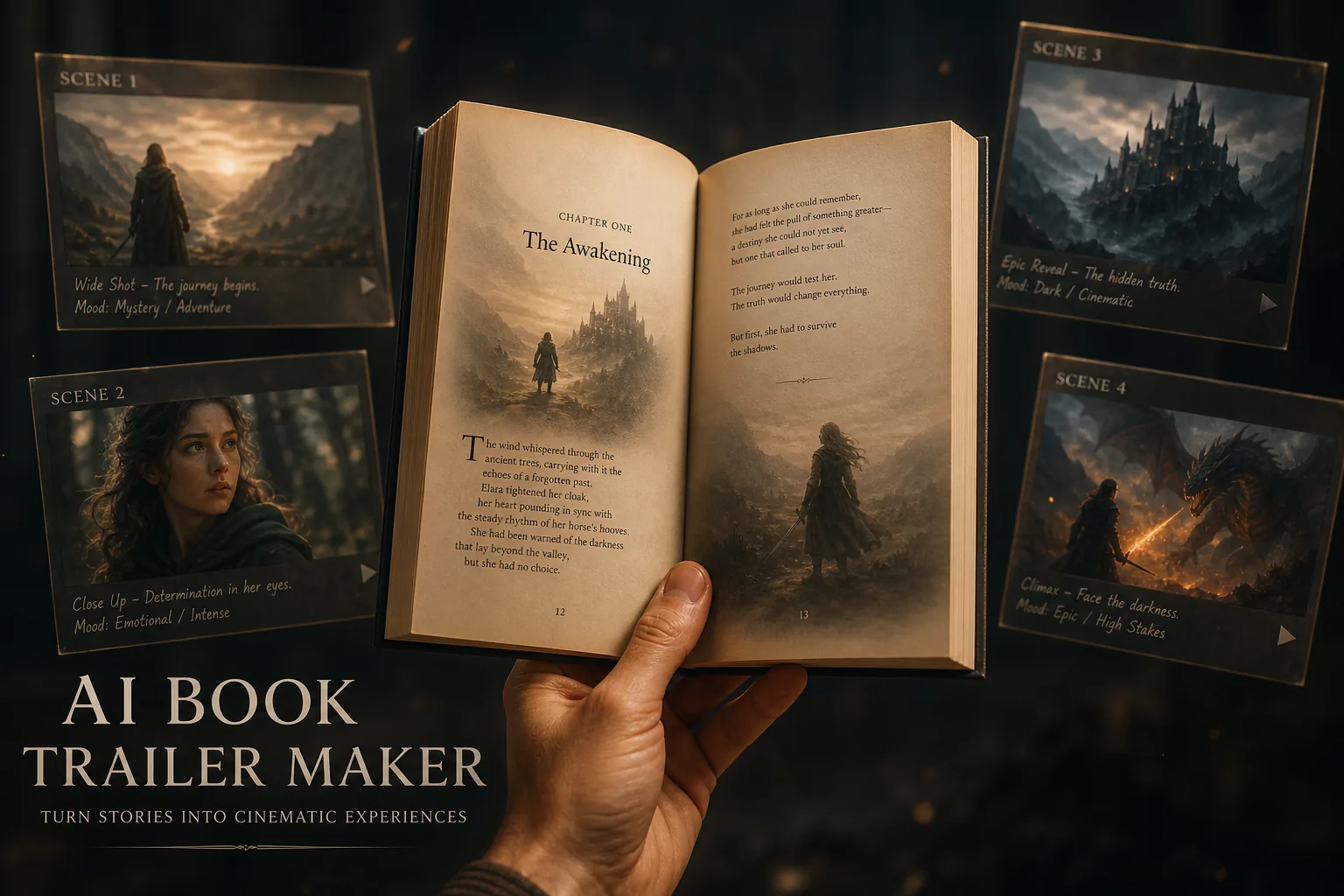
A book trailer is the single most undervalued asset in self-publishing. It costs less than a Facebook ad, it lives on your sales page longer than a launch-week post, and unlike most marketing copy it actually shows the reader what the book feels like. The problem before 2024 was the math: either a slideshow of stock photos with library music — which sells nothing — or fifteen hundred dollars and three weeks paid to a freelance editor. Neither was viable for anyone publishing more than one book a year.
AI changes the math. Below is the exact five-step workflow we use at Story Into Video to take a manuscript — or just the back-cover blurb — and turn it into a 60-second cinematic trailer in one afternoon. After the workflow, six genre formulas you can paste straight into the editor: mystery, romance, thriller, literary fiction, fantasy, and memoir. Each formula is a complete shot plan with voiceover tone, key visual, and a button that copies the brief into a new tab on the Story Into Video editor.
What a book trailer is actually for
A book trailer is not a plot summary. It is a 60-second answer to one question: what question does this book make the reader want to answer?
The trailers that sell books open with something physical — an object, a hand, a doorway — pose a single unresolved question, and stop. They never reveal who the killer is. They never show the kiss. They leave the reader exactly where you want them — at the buy button.
The four-shot anatomy
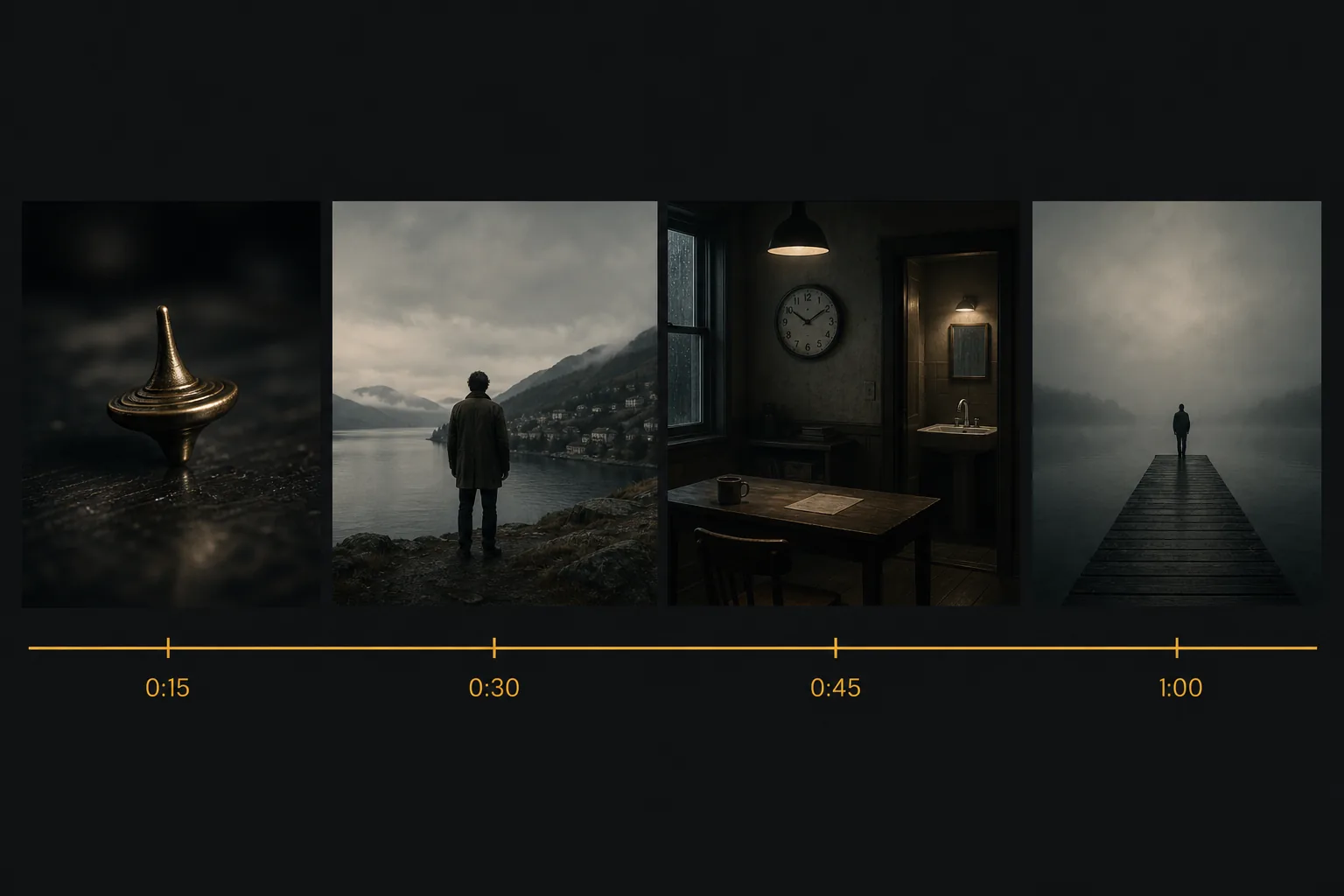
Almost every effective short-form book trailer breaks into four shots of roughly fifteen seconds each:
- Hook (0:00–0:15) — a single concrete object or face. No title card. No music swell. Just the audience leaning in.
- Promise (0:15–0:30) — the world expands. The reader gets to see the genre signal — gaslight cobblestones, a beach at golden hour, a kitchen at 3 a.m. — and the protagonist, from the back or in profile.
- Tension (0:30–0:45) — something is wrong. The conflict surfaces, but its source stays off-camera.
- Question (0:45–1:00) — the final shot pairs with one line of voiceover or on-screen text. The trailer cuts before the answer.
If your trailer wants to be 30 seconds, halve each shot to seven or eight. If it wants to be 90 seconds, double the Promise and Tension — never the Hook or the Question.
How to make a book trailer with AI in 5 steps
1. Strip the manuscript down to a paragraph
Open a new doc and write three sentences. The first is the world — where, when, who. The second is the inciting object or event. The third is the question the rest of the book answers. If you cannot finish those three sentences in fifteen minutes, the book is not ready to be marketed yet. Come back to it.
2. Paste the paragraph into Story Into Video
The Story Into Video editor parses the paragraph into scene blocks automatically. Don't trust them blindly — they're a draft. Renumber, merge, or split until each scene corresponds to one of the four anatomy shots above (Hook / Promise / Tension / Question). Four scenes, four shots. Nothing more.
3. Lock the protagonist with a reference image
Before generating any frames, upload a single character reference into the editor's reference slot. This is the only step amateur trailers skip and the only step that makes the trailer feel like a finished film instead of a slideshow. Whatever face appears in scene 2 must reappear in scene 4. The reference is how. If you have a real cover model or a previous AI render you liked, use it; otherwise generate one face in Story Into Video first, then lock it as your reference for the rest of the run.
4. Generate at the genre's native pace
Pick the model the genre wants. Slow, sustained shots — literary, memoir, romance — want Hailuo 2.3 or Kling 3 for their longer takes and gentler motion. Kinetic, glitchy shots — thriller, found-footage, urban fantasy — want Seedance 2: its motion is sharper, its noise floor higher, both of which read as urgency. Start with the model recommendation in the Story Into Video editor's genre presets; switch only if a shot consistently fails on the first model.
5. Add voiceover last
The biggest mistake in AI trailers is generating the voiceover too early. Your voice has to follow the cut, not the other way around. Lock the four shots first, then write fifteen to thirty words of voiceover for the last shot only — and a single line of on-screen text for the others. The reader doesn't need narration in shots 1, 2, or 3. The image is doing the work.
Six trailer formulas by genre
Pick the formula whose key visual you can already see in your head. That's the one your trailer will come out cleanest on the first run.
1 — The mystery trailer
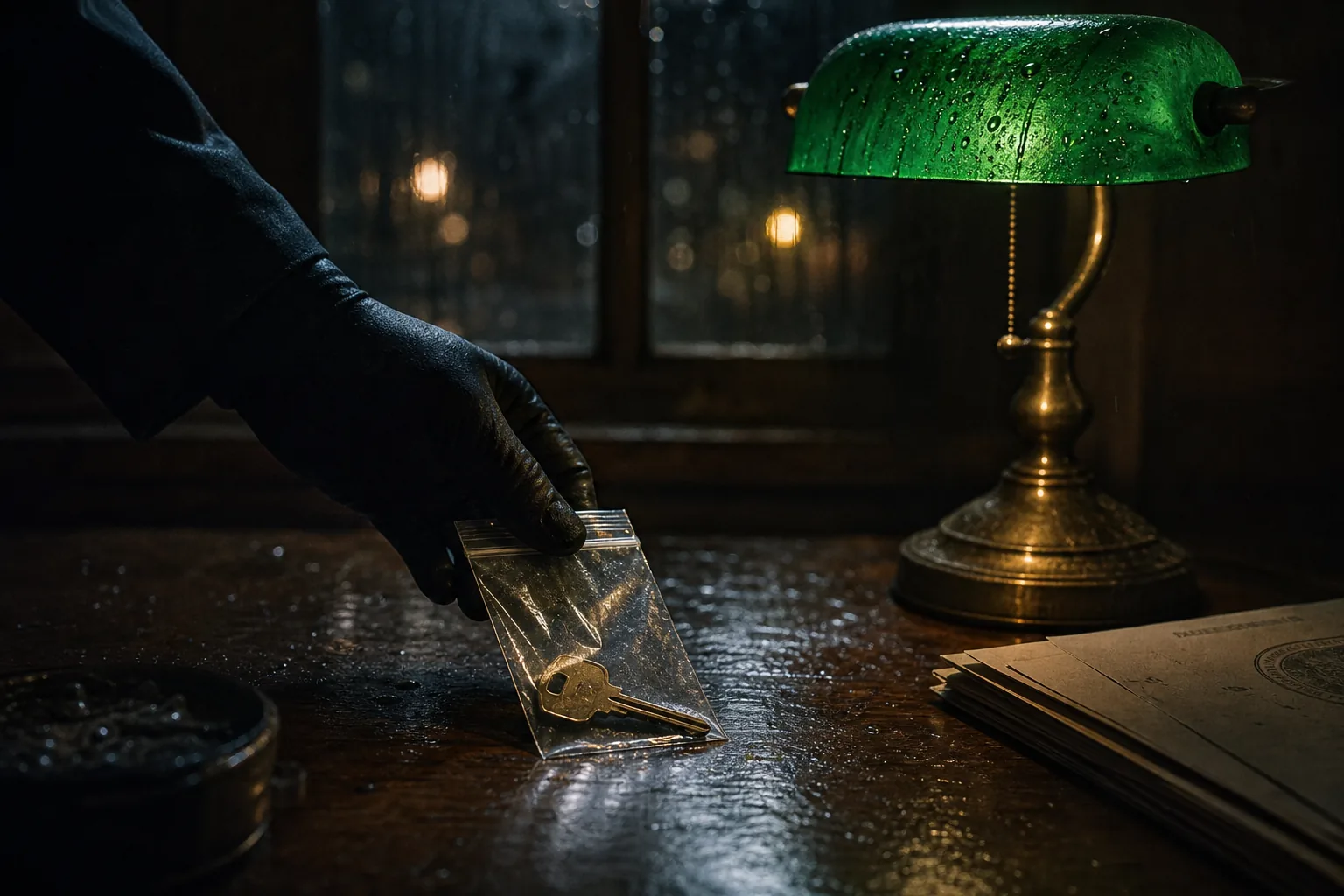
Hook. Extreme close-up of a single object that the entire mystery turns on: a brass key, a torn ticket stub, a single black shoe in a hallway. No face yet. No music. Just the object and a soft room tone behind it.
Promise. Pull back to reveal a place the genre fans recognize at a glance — a rain-streaked desk under a green banker's lamp, a coastal village in late autumn, a 1970s office with mustard carpet. Show the detective from the back; they are looking down at the object.
Tension. Cut to a wider shot of the location with one wrong detail planted in frame — a chair pulled out from a table where nobody sat, a curtain moving in a still room, a phone off the hook. Hold the shot half a beat longer than feels comfortable.
Question. Return to the object, now in the detective's hand. One line of voiceover, almost reluctant: Somebody knew she was coming. The only question is which of them.
Voice tone: low, conversational, almost reluctant. Never theatrical.
Key visual: a gloved hand setting an evidence bag with a single brass key onto a rain-streaked desk under a green banker's lamp.
2 — The romance trailer

Hook. A single detail of human contact that has already happened: two empty wine glasses on a beach blanket at dusk, a man's jacket draped over a woman's bookstore chair, a half-drunk coffee next to a fully untouched one. Not the people themselves. The trace they left.
Promise. Pull to reveal one of the two people, alone in their daily world, doing something small and competent — kneading bread, watering a plant, walking a dog at sunrise. Their face is unhurried. They look like someone who has not yet been changed.
Tension. The other person walks into frame from behind them. The first person does not see them yet. The audience does. Hold the cut for a full second longer than the edit asks for.
Question. Close on the first person's face as they turn. Cut before contact. One line on screen: He thought he had until next summer to figure it out.
Voice tone: warm but not breathy. Imagine a friend telling you about a real couple, not a narrator selling you a movie.
Key visual: a sunlit café table with two coffee cups — one half-drunk, one full — and a paperback novel laid facedown between them.
3 — The thriller trailer
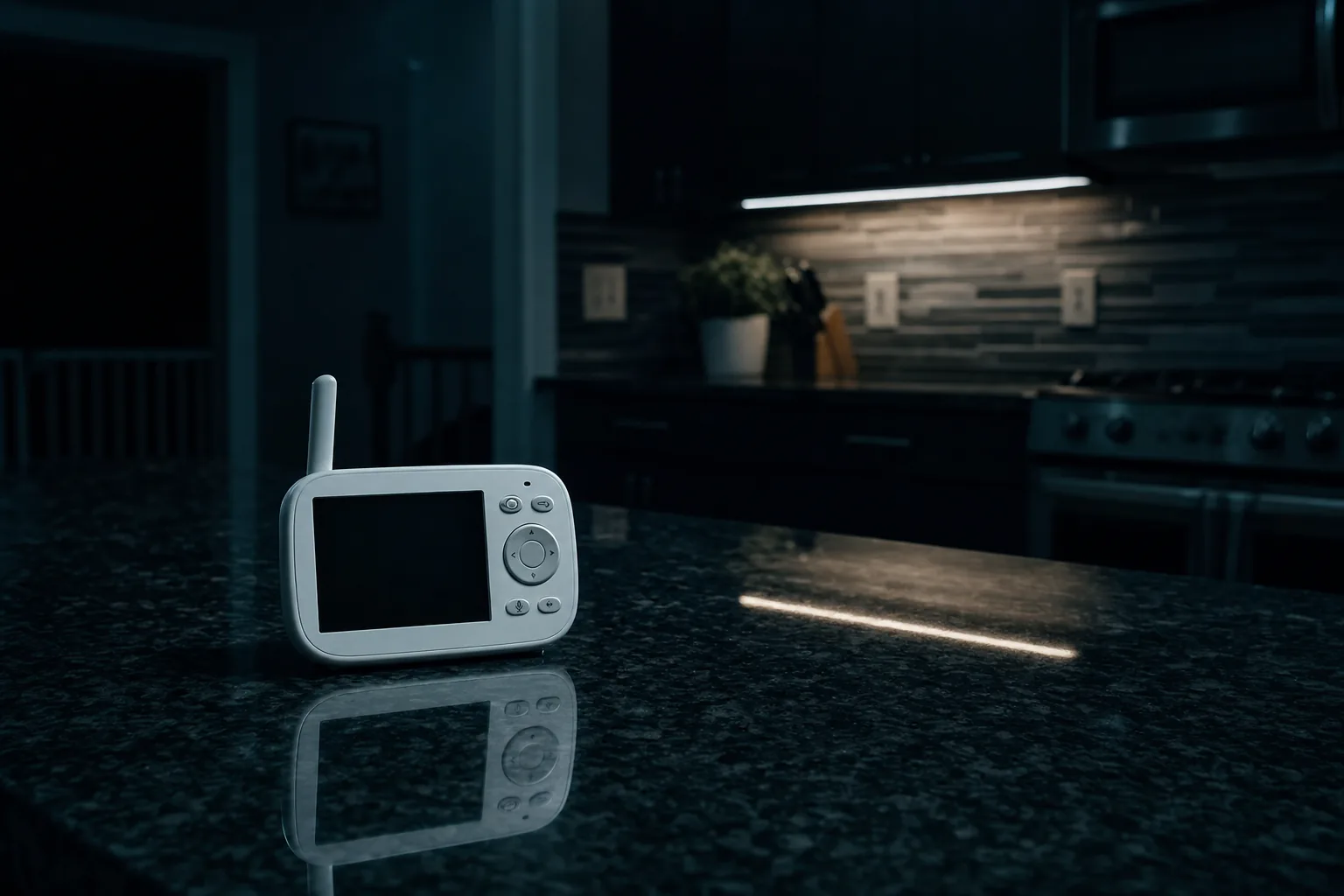
Hook. A domestic object treated like a weapon: a baby monitor in extreme close-up with a blank screen, a kitchen knife at the very edge of a marble counter, the dial of a deadbolt at 11:58 p.m. No music. Just room tone — the refrigerator hum, the radiator click.
Promise. Wide shot of an ordinary life happening. School run, gym bag, kids' drawings on a fridge. The cleaner this looks, the louder the third shot lands.
Tension. A second object that does not match the world from the Promise: a stranger's coat on the hallway hook, a single muddy footprint on a hardwood floor when it hasn't been raining outside, a text message arriving on a phone that's been on Do Not Disturb. Camera holds. Nobody enters frame.
Question. The protagonist sees the second object. Their hand reaches into frame and freezes halfway. One line of on-screen text: Whoever it is, they've already been here.
Voice tone: none, ideally. Let the room tone and a single text card do the work. If you must use a voice, keep it under fifteen words and breathy.
Key visual: a baby monitor on a granite kitchen counter, screen blank, the kitchen behind it lit only by under-cabinet LEDs at 2 a.m.
4 — The literary fiction trailer

Hook. A hand performing a small, irreversible action: lighting a single match, signing the bottom of a letter, sliding a wedding ring off and laying it on a windowsill. The hand is the protagonist's. The face is not yet shown.
Promise. A wide landscape that the book's emotional weather lives inside: a cold coast in March, a wheat field at the back end of August, a Brooklyn apartment with the radiator hissing in winter. The protagonist is small in the frame, with their back to camera, the world doing most of the work.
Tension. A second person enters but does not approach. They watch from across the room, across the field, across the kitchen. The protagonist is aware of them. Neither speaks. Hold the cut.
Question. Close on the protagonist's eyes, not their mouth. One line of voiceover, slow: She had practiced saying it for two years. The version she said was none of them.
Voice tone: close-mic, restrained, almost a whisper. Closer to a poem reading than a movie trailer. Use the author's voice if it can hold a sentence steady; hire a voice actor only if it can't.
Key visual: a wedding ring laid on a sunlit windowsill, an out-of-focus figure standing in a doorway behind it.
5 — The fantasy trailer
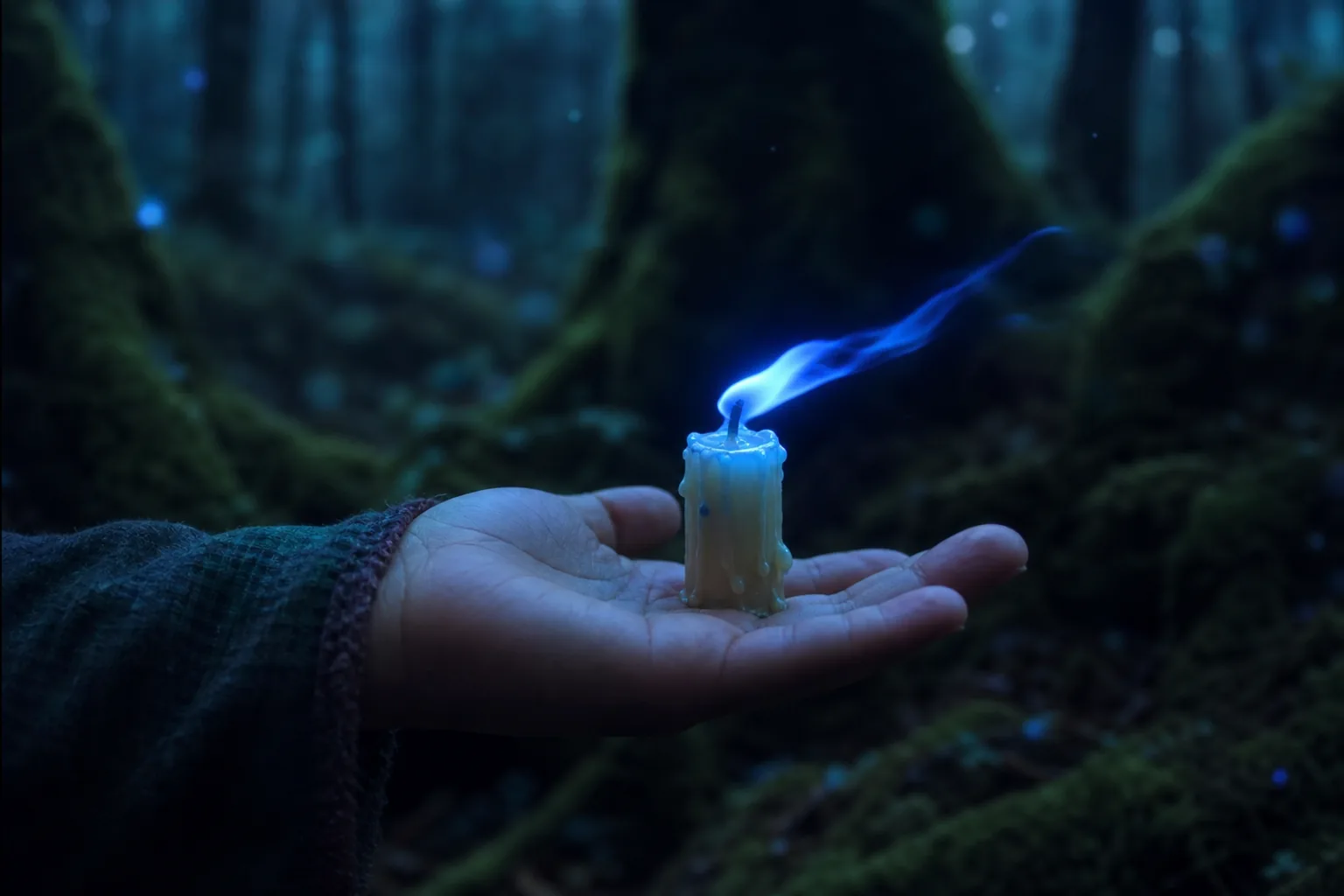
Hook. One small magical detail in an otherwise ordinary frame: a candle burning blue, a coin spinning on a tavern table for longer than physics allows, a child's open hand with a moth that is too large landing on the palm. Just the detail. No establishing shot of the kingdom yet.
Promise. The camera pulls up to reveal the world: a city of bridges, a mountain pass at first light, a coastline of tall ships. Wind, distant bell, no score. If you reach for an orchestra here you have already lost.
Tension. A non-human element enters the frame at the edge: a long shadow with too many fingers, a horseman whose horse is the wrong color, the silhouette of something with wings landing on a rooftop two streets over. The protagonist sees it. So does the audience.
Question. Close on a hand-drawn map being folded by an unseen hand. One line of on-screen text: Two kingdoms. One of them is already lost.
Voice tone: if you use one, low and matter-of-fact. Fantasy voiceover that sells itself as fantasy sounds like a parody. Treat it like a documentary about a real place.
Key visual: a child's palm with a blue candle balanced upright on it, the flame burning sideways with no wind.
6 — The memoir trailer
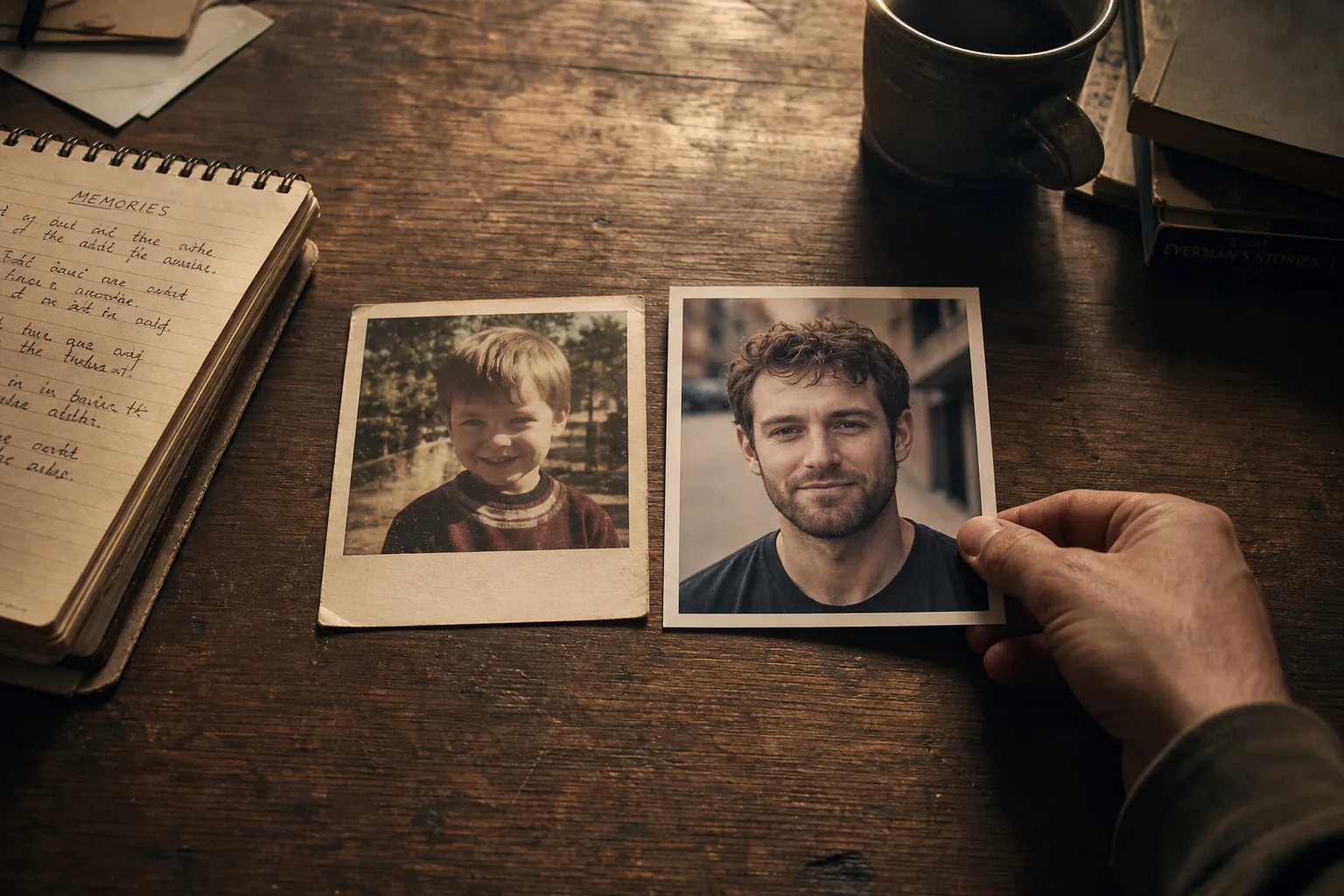
Hook. A photograph or document — one specific paper artifact — held in a real hand: a yellowed Polaroid, a hospital wristband, a ticket stub from a date with a year on it. The hand is your own if you can shoot it; an AI render if you cannot.
Promise. Pull to reveal the room the artifact lives in now: a writer's desk, a kitchen, the dashboard of a parked car. The room is contemporary. The artifact is old. The contrast is the whole point.
Tension. A second artifact — different decade, same person — enters the frame, held in the same hand. The audience reads the gap between them. Nobody has to say anything.
Question. The two artifacts are placed side by side on a flat surface. The hand pulls back. One line of voiceover: Twenty-two years between these two photographs. Both of them are me. Only one of them knew what was coming.
Voice tone: the author's own voice, recorded into a phone in a quiet room. Memoir trailers that use a hired voice actor lose the one thing they had going for them.
Key visual: two photographs of the same person — one from childhood, one from this year — laid side by side on a wooden desk by a hand still holding the second one.
Four mistakes that kill the trailer
- Quoting too much of the book. A book trailer is not an audiobook sample. If your voiceover is longer than thirty words, cut twenty.
- Using the book cover as the closing shot. The closing shot has to be a question, not a logo. The cover belongs in the YouTube description and the Amazon link, not at second forty-five.
- Music doing the work of cinematography. A perfectly composed trailer with no score lands harder than a cluttered trailer with a sweeping cue. Lock the shots first, pick music last, and be willing to leave music off entirely.
- Forgetting where the trailer is going to live. A 60-second YouTube embed is a different cut from a 12-second TikTok preroll. Decide the platform before you decide the runtime, not after.
Six formulas is six trailers. Start with the one whose Key visual you can already see in your head — that's the one that will come out cleanest on the first run. If a formula feels too long for the platform you're posting to, cut the Promise in half and double the Question; if it feels too short, add a quiet three-second beat between Tension and Question and let the silence sell the rest. The point is to finish a trailer, post it, and watch what happens. Anything else is procrastination dressed as preparation.
Tags
Turn any story into a 60-second video
Story Into Video bundles image generation, animation, narration, and subtitles into one workflow. Free credits cover your first video.
Start creatingTry the tools mentioned in this article
Seedance 2 Story Video Generator
Seedance 2.0: any duration from 4 to 15 seconds, native audio, with image / video / audio reference inputs.

Nano Banana Pro Image Generator
The Gemini 3 image family — photoreal scenes, precise text-in-image and natural-language editing. Pro and Nano Banana 2 available.
Seedream 4.5 Image Generator
Seedream 4.5: story illustration, character sheets, scene concept art — with native Chinese-language prompt support.
Continue reading
12 AI Video Prompts You Can Copy, Paste, and Generate in 2026
Stop staring at a blank prompt box. Twelve AI video prompts with scene-level camera, light, and audio direction — open any one in the editor and ship it tonight.
16 min read
AI ASMR Video Ideas: 12 Formats You Can Generate Tonight
Twelve AI ASMR video ideas you can paste straight into the editor — sensory triggers, domestic rituals, sound-prop loops, and travel scenes, each one built around a single sound and a single frame.
12 min read
Horror Story Ideas: 12 Complete Scripts Ready for AI Video
Twelve horror story ideas written as full scripts you can copy directly into Story Into Video — no premise lists, no fragments, every story is a complete narrative ready to film.
15 min read